Poker in Popular Culture: From Classic Films to Modern TV Series

Poker in Popular Culture: From Classic Films to Modern TV Series
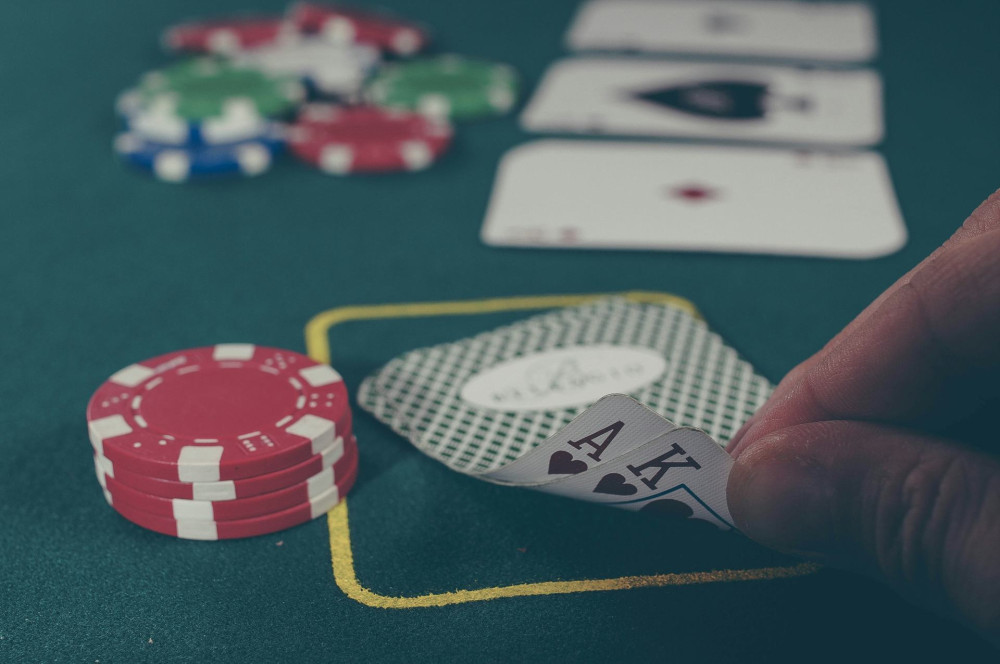
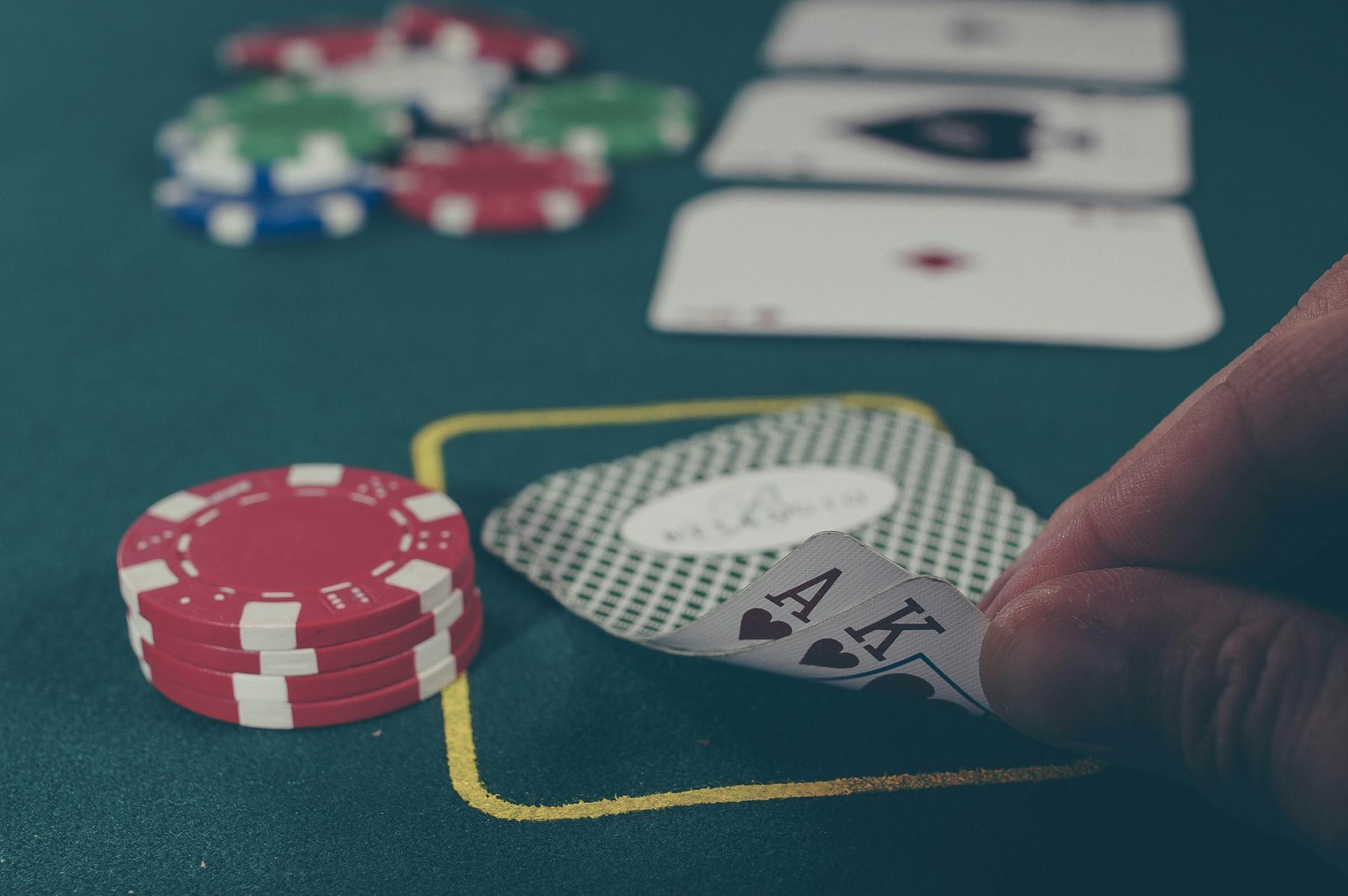
For more than a century, poker has been more than just a card game—it has been a symbol of risk, strategy, and human psychology. From smoky saloons in old Westerns to the glittering casinos of modern thrillers, poker has served as a stage where characters reveal their true selves. Today, the game continues to thrive in film, television, and online culture, captivating audiences with its blend of intellect, intuition, and suspense.
From the Wild West to Hollywood’s Golden Age
The earliest depictions of poker on screen drew heavily on the mythology of the American frontier. In Westerns, the poker table was a place where courage, luck, and reputation were tested. Classic films like The Cincinnati Kid (1965) turned poker into a psychological drama, where the tension wasn’t just about the cards but about pride, morality, and human weakness.
During the 1970s and 1980s, poker became a metaphor for independence and control. Movies such as California Split (1974) and Maverick (1994) mixed humor, tension, and vulnerability, showing how the game could mirror life’s unpredictability. Audiences were drawn to the mental duel of bluffing and reading opponents—a contest as much about character as about chance.
The Modern Poker Boom on Screen
In the late 1990s and early 2000s, poker experienced a cinematic revival. Rounders (1998) became a cult classic for a new generation of players, capturing the gritty allure of underground poker rooms and the dream of making it big through skill and nerve. The film’s influence coincided with the rise of online poker and the Texas Hold’em boom that swept across the United States.
Later, Casino Royale (2006) brought poker into the mainstream with style and sophistication. The high-stakes game between James Bond and his nemesis became a defining moment of tension and intellect, proving that poker could serve as both spectacle and storytelling device. By then, poker was no longer a niche pastime—it was part of global entertainment culture.
Læs også:
Poker on Television – From Drama to Reality
Television has embraced poker as a powerful storytelling tool. In dramas like Breaking Bad and Billions, poker scenes are used to explore themes of power, deception, and control—echoing the psychological battles that define the game itself. Even in comedies such as Friends or The Office, poker appears as a social ritual, revealing character dynamics and hidden competitiveness.
Meanwhile, reality and competition shows have turned poker into a spectator sport. Programs like the World Series of Poker broadcasts and High Stakes Poker have allowed viewers to watch professionals face off in real time, analyzing every bluff and bet. These shows helped transform poker into a legitimate form of televised competition, complete with celebrity players, sponsorships, and million-dollar prizes.
The Digital Era and the Streaming Generation
Today, poker thrives in a new digital landscape. Online platforms and streaming services have made it possible for fans to watch live games and follow their favorite players on YouTube and Twitch. Many professional players have become influencers, sharing strategies, commentary, and personal stories with global audiences. The game has evolved into a form of interactive entertainment that blends skill, personality, and community.
This digital transformation has made poker more accessible than ever while preserving its essence—the thrill of taking risks, reading opponents, and maintaining composure when everything is on the line.
A Game That Reflects Human Nature
Ultimately, poker in popular culture isn’t just about money or luck. It’s about human behavior—how we act under pressure, how we balance risk and control, and how we navigate the fine line between confidence and overreach. That’s why poker continues to fascinate filmmakers, writers, and audiences alike.
Whether set in a dusty saloon, a glamorous casino, or a virtual table streamed to millions, poker stories remind us of something universal: that life itself is a game of strategy, courage, and timing—and that sometimes, the biggest gamble is simply deciding when to play your hand.
Læs også: