Global Game Rules: How Countries Regulate Their Casino Laws and Markets

Global Game Rules: How Countries Regulate Their Casino Laws and Markets
The casino industry has become a truly global enterprise, moving billions of dollars every year across both physical and digital platforms. Behind the flashing lights and high-stakes jackpots lies a complex web of laws, licenses, and oversight systems that differ dramatically from one country to another. Some nations embrace gambling as a legitimate form of entertainment and economic growth, while others restrict or ban it altogether for moral or public health reasons. Here’s a look at how different countries regulate their casino markets—and why those differences matter.
From Bans to Open Markets
There’s no single global model for gambling regulation. Instead, countries fall along a wide spectrum—from total prohibition to open competition.
- Prohibition and strict control: In countries like China (outside of Macau) and much of the Middle East, gambling is largely illegal, often due to religious or cultural norms. Despite these bans, underground markets persist, and authorities spend significant resources trying to curb them.
- State-controlled systems: Many European nations, including France, Sweden, and Denmark, operate under state licensing models. Only approved operators can offer gambling services, and governments closely monitor everything from advertising to payout ratios.
- Open competition: The United Kingdom and Malta represent more liberal approaches, where private companies can obtain licenses as long as they meet strict standards for transparency, fairness, and responsible gaming.
This patchwork of rules means that what’s legal in one country can be completely off-limits in another, creating challenges for both players and international operators.
The United States: A Patchwork of State Laws
In the U.S., gambling regulation is largely a state matter, resulting in a mosaic of laws and markets. Las Vegas and Atlantic City are iconic gambling hubs, but for decades, many other states prohibited most forms of gambling.
That landscape is changing fast. Since the Supreme Court lifted the federal ban on sports betting in 2018, states like New Jersey, Pennsylvania, and Michigan have legalized online casinos and sportsbooks. This has fueled rapid growth and innovation—but also raised questions about consumer protection, taxation, and consistency across state lines.
Tribal casinos also play a major role in the U.S. market, operating under federal and tribal compacts that add another layer of complexity to the regulatory picture.
Europe: Balancing Freedom and Oversight
Europe’s gambling markets are among the most mature and regulated in the world. The United Kingdom Gambling Commission, for example, enforces strict rules on advertising, player protection, and anti-money-laundering compliance. In Scandinavia, countries like Denmark and Sweden have opened their markets to private operators while maintaining strong state oversight to ensure responsible play.
The European Union has encouraged cooperation among member states, but each country still sets its own rules. This has led to a mix of national systems that share common goals—transparency, fairness, and consumer safety—even if the details differ.
Læs også:



Asia: Contrasts and Control
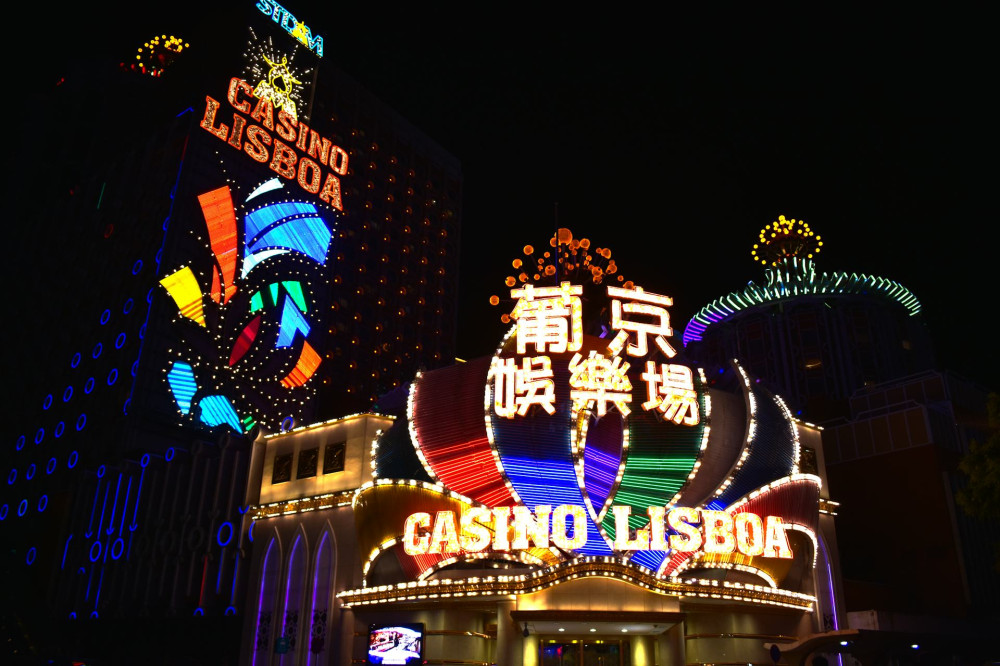
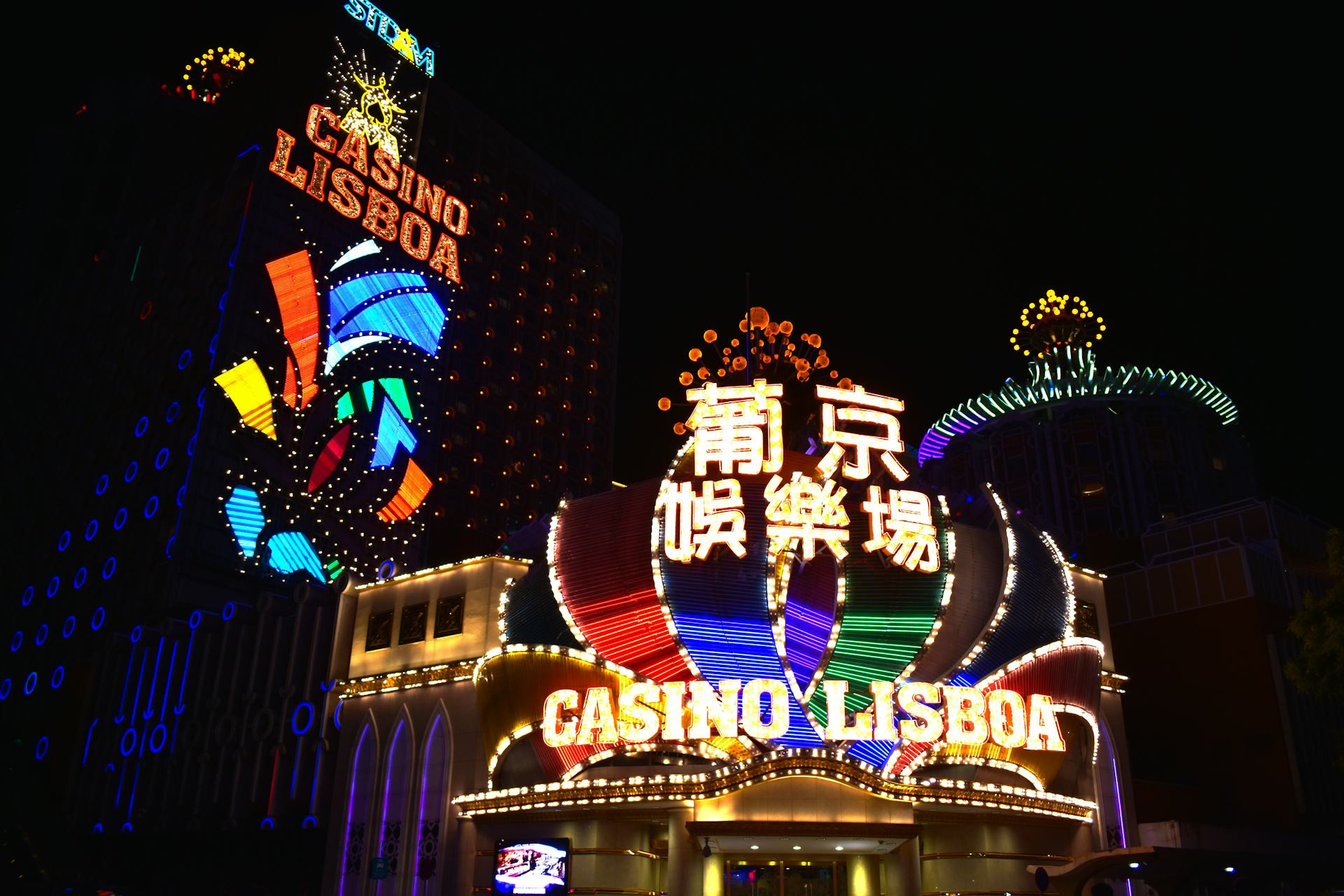
Asia is home to some of the world’s most striking contrasts in gambling policy. Macau, a Special Administrative Region of China, is the world’s largest casino market by revenue, heavily reliant on tourism and high-roller play. Singapore has allowed integrated casino resorts but enforces strict entry rules for its citizens to discourage problem gambling. Japan has only recently approved its first integrated resorts, signaling a cautious entry into the casino industry.
Meanwhile, countries like China (mainland) and India maintain tight restrictions, though online gambling continues to grow in popularity—often through offshore platforms that operate in legal gray areas.
The Online Challenge: Regulating Across Borders
The rise of online gambling has blurred national boundaries and created new regulatory challenges. How can a government enforce its laws when the operator is based overseas?
Many countries have responded with measures such as blocking unlicensed websites, restricting payment processing, and international cooperation between regulators. The European Union and other international bodies are also working toward shared standards for data protection, responsible gaming, and anti-money-laundering practices.
Responsible Gaming: A Global Priority
Across the world, regulators and operators are increasingly focused on responsible gaming—ensuring that gambling remains a form of entertainment rather than a source of harm. Many jurisdictions now require operators to provide self-exclusion tools, deposit limits, and clear information about odds and risks. Public awareness campaigns and partnerships with mental health organizations are also becoming more common.
This shift reflects a broader understanding that sustainable growth in the gambling industry depends on protecting players and maintaining public trust.
A Market in Motion
Casino laws and markets are constantly evolving, shaped by technology, politics, and culture. New payment methods like cryptocurrency, emerging forms of entertainment such as live-dealer games and esports betting, and the global reach of online platforms are all pushing regulators to adapt.
The future likely holds more international cooperation and smarter regulation—balancing innovation with accountability. Whether you’re playing in Las Vegas, London, or Macau, the goal remains the same: to create a safe, transparent, and responsible gaming environment in an increasingly connected world.
Læs også: