Plan an Unforgettable Wilderness Adventure with Friends

Plan an Unforgettable Wilderness Adventure with Friends
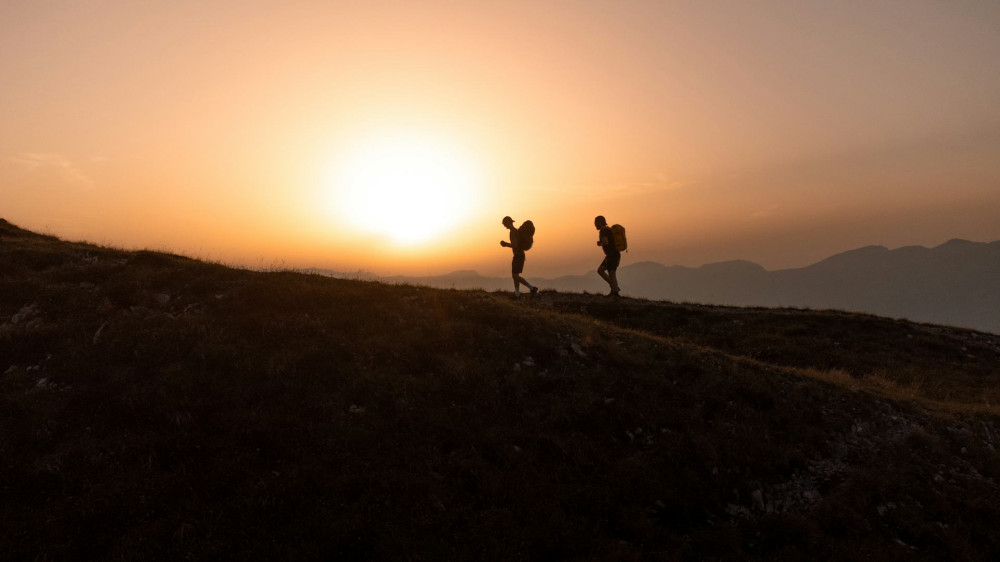
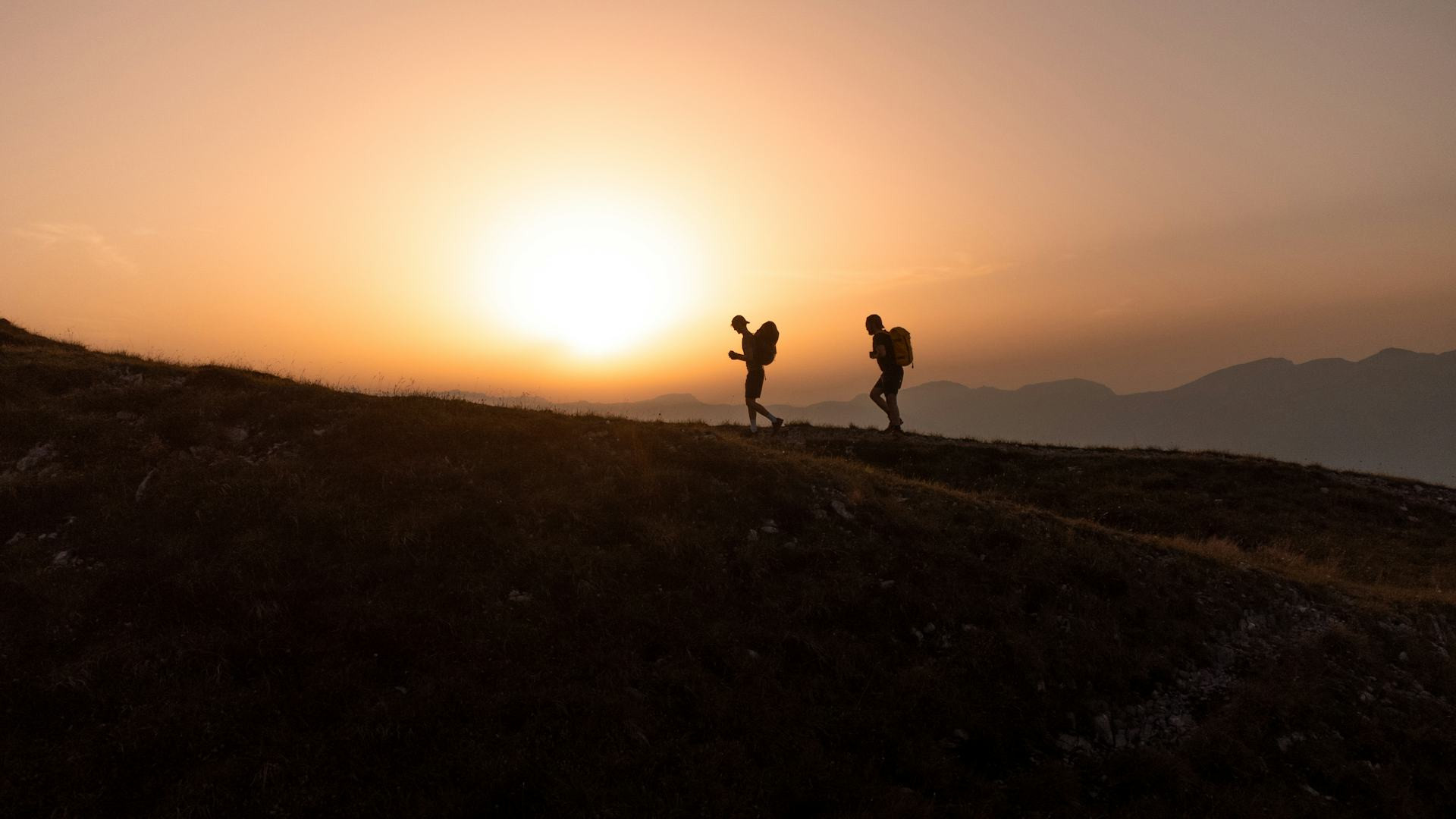
Few things bring friends closer than escaping into the wild—away from city noise, deadlines, and screens. A wilderness trip isn’t just about surviving outdoors; it’s about sharing challenges, laughter, and the calm of open skies. Whether you’re planning a weekend in the Rockies, a canoe trip in Minnesota, or a backpacking adventure in the Pacific Northwest, a little preparation goes a long way. Here’s how you and your friends can plan a wilderness adventure you’ll never forget.
Choose the Right Destination—and the Right Challenge
The first step is picking your destination. It depends on how adventurous you are and how much outdoor experience your group has.
- For beginners, national and state parks like Shenandoah (Virginia), Great Smoky Mountains (Tennessee/North Carolina), or Acadia (Maine) offer well-marked trails, campsites, and ranger support.
- For intermediate adventurers, try backpacking in Colorado’s Rocky Mountain National Park, canoeing through Minnesota’s Boundary Waters, or exploring Utah’s red rock canyons.
- For seasoned explorers, Alaska’s backcountry or the remote trails of Montana and Wyoming offer true wilderness experiences—just make sure you’re prepared for self-sufficiency.
Choose a location that matches your group’s skills and comfort level. It’s better to have energy left to enjoy the scenery than to struggle through a route that’s too demanding.
Plan Your Route—but Leave Room for Spontaneity
A solid plan is key to a safe and enjoyable trip. Decide how many days you’ll be out, how far you’ll travel each day, and where you’ll camp. Research water sources, trail conditions, and any required permits.
Create a rough itinerary, but stay flexible. You might find a perfect lakeside spot and decide to stay an extra night—or need to adjust your route due to weather. Flexibility is part of the adventure.
Always let someone at home know your route and expected return date, especially if you’ll be far from cell service.
Pack Smart: Light but Prepared
When you’re carrying everything on your back, balance comfort and weight. Here’s the essential gear:
- Backpack with good support (50–70 liters for multi-day trips)
- Tent or tarp, depending on how rugged you want to go
- Sleeping bag and pad suited to the season and temperatures
- Cooking gear—a lightweight stove, pot, and utensils
- Layered clothing—moisture-wicking base, insulating mid-layer, and waterproof outer shell
- First-aid kit, knife, and headlamp—non-negotiable essentials
- Map, compass, or GPS—and the knowledge to use them
Divide gear among the group so no one carries duplicates. One person can handle cooking gear, another the tent, another first aid. It saves weight and builds teamwork.
Læs også:



Food and Water in the Wild
Food always tastes better outdoors, but it takes planning. Dehydrated meals, pasta, rice, and canned goods are practical. Many outdoor stores sell freeze-dried meals that only need boiling water.
Make a group meal plan so you know exactly how much to bring. Don’t forget snacks like nuts, jerky, chocolate, and energy bars—they’re lifesavers on long days.
Water is critical. Bring purification tablets or a filter if you’re unsure about water quality. Staying hydrated keeps energy and morale high.
Teamwork and Good Vibes
A wilderness trip is as much about friendship as it is about nature. Share responsibilities—one person cooks, another sets up camp, another gathers firewood. It keeps things organized and ensures everyone contributes.
Take time to enjoy the moments: the sunrise, the quiet, the campfire stories. Put away your phones and be present. Often, it’s the small moments that become the best memories.
When challenges arise—rain, bugs, or fatigue—remember they’re part of the story. Those shared struggles often become the funniest tales later on.
Safety and Respect for Nature
Even the best trip can go wrong without preparation. Check the weather forecast and be ready to change plans if conditions turn dangerous. Always have a backup plan.
Respect the wilderness: pack out all trash, use existing fire rings, and avoid disturbing wildlife. Follow the Leave No Trace principles so the outdoors stays beautiful for the next visitors.
A Trip You’ll Never Forget
When you return home, you’ll probably be tired, maybe a little dirty—but full of stories, laughter, and memories. A wilderness adventure with friends isn’t about luxury; it’s about freedom, connection, and the peace of nature.
With the right planning, gear, and spirit of adventure, you’ll create memories that last a lifetime.
Læs også: