Freefall with Control: How to Perfect Your Skydiving Technique

Freefall with Control: How to Perfect Your Skydiving Technique
Jumping out of an airplane thousands of feet above the ground is, for many, the ultimate rush of freedom. But behind the whirlwind of wind and adrenaline lies a discipline built on technique, body control, and calm focus. Skydiving isn’t just about courage—it’s about precision. Here’s your guide to refining your skydiving technique, whether you’re a first-time jumper or a seasoned skydiver looking to sharpen your skills.
Freefall – The Art of Staying Stable
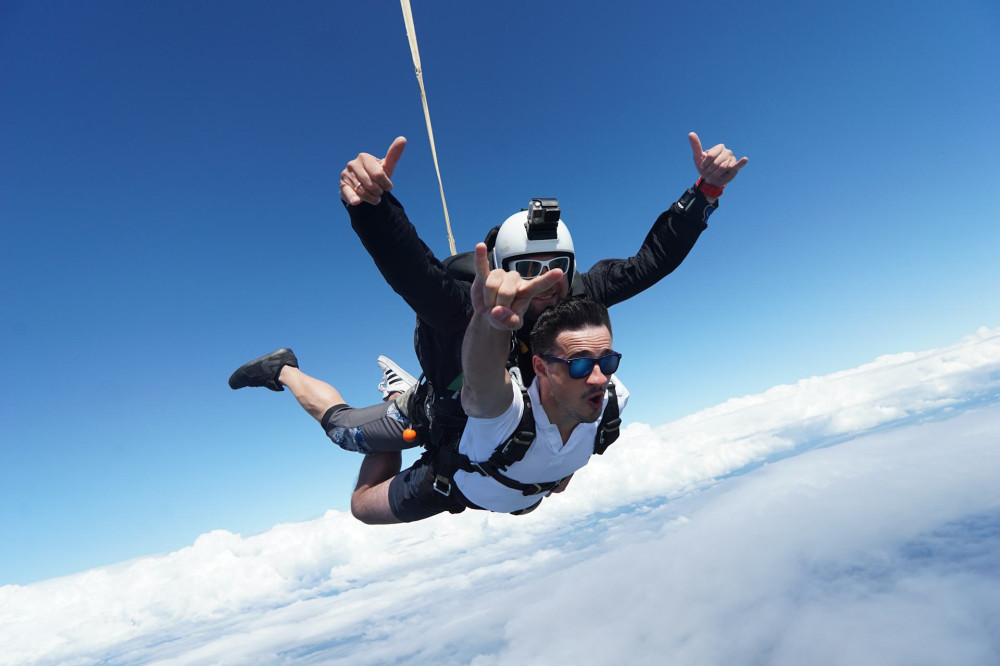
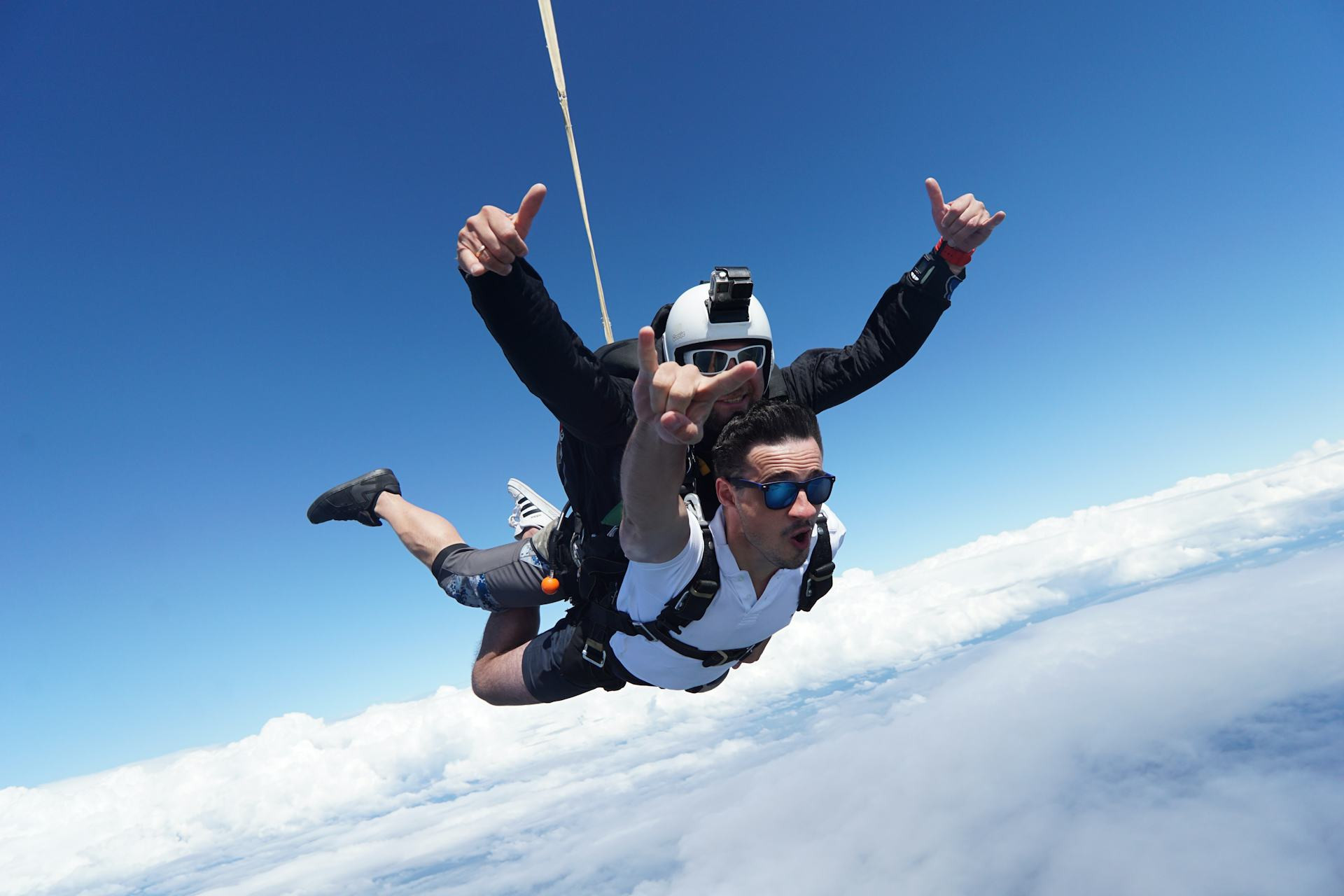
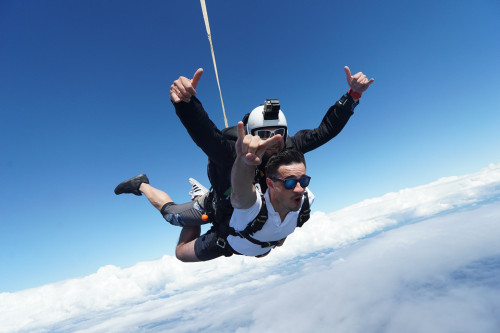
The first few seconds after leaving the plane are all about finding stability. Your body needs to be balanced so you don’t start spinning or tumbling uncontrollably. The classic “arch position”—hips forward, back slightly curved, arms out to the sides, and legs spread shoulder-width apart—is the foundation of a stable freefall.
Relaxation is key. Many beginners tense up, which makes movements jerky and unpredictable. Focus on breathing steadily and keeping your shoulders loose. The more relaxed you are, the easier it becomes to make small, precise adjustments that keep you steady in the air.
Mastering Small Adjustments
In freefall, small movements make a big difference. To turn, don’t twist your whole body—simply adjust the angle of your arms or legs slightly. A subtle asymmetry in your position will cause a smooth, controlled rotation.
To move forward, pull your arms back a bit and straighten your legs, as if you’re gliding through the air. To slow down, do the opposite: bring your arms forward and bend your knees slightly. It takes practice, but once you start to feel how the air responds to your movements, you’ll gain a whole new sense of control.
Communication in the Sky
When jumping with others, communication becomes a vital part of your technique. You can’t shout over the roar of the wind, so everything happens through hand signals and body language. Always agree on signals before the jump and maintain eye contact whenever possible.
Start by practicing formations and position changes in small groups before moving on to larger formations. It’s not just about looking good on camera—it’s about safety and precision. A successful formation depends on everyone knowing their role and reacting quickly to changes.
The Transition to the Canopy
When your altimeter shows it’s time to deploy your parachute, you need to be ready—both mentally and physically. A stable body position during deployment is crucial for a clean canopy opening. Check your altitude, count calmly, and pull the handle with a smooth, deliberate motion.
Once your canopy opens, quickly check that it’s symmetrical and free of twists. If something looks wrong, act immediately—either fix the issue or, if necessary, deploy your reserve. Staying calm and following your training is what keeps you safe.
Læs også:



Steering and Landing
Once your parachute is open, a new phase of the jump begins. Now it’s about steering precisely and planning your landing. Use the steering toggles to turn and adjust your direction. Avoid aggressive inputs close to the ground—these can lead to hard landings.
A good landing is all about timing. As you approach the ground, pull down on the toggles to slow your descent and land with slightly bent knees. Learn to read wind direction and speed—this skill will help you land safely even in changing conditions.
Ground Training – The Path to Better Jumps
The best skydivers spend almost as much time training on the ground as they do in the air. Indoor wind tunnels are an excellent way to improve body control. You can practice positions, rotations, and formations without ever boarding a plane.
Physical fitness also plays a big role. Core and leg strength improve stability, while flexibility helps you react quickly. Mental training—like visualization and breathing exercises—can help you stay calm and focused under pressure.
Safety and Responsibility
Skydiving is a safe sport when you follow the rules. That means regular gear inspections, up-to-date certifications, and respect for weather conditions. Never jump if you’re tired, unwell, or uncertain about the situation. Even experienced skydivers continue learning with every jump.
Taking responsibility for your own safety is part of the sport—and it’s what allows you to fully enjoy the experience.
Freefall with Control – Freedom with Focus
Skydiving is more than an adrenaline rush. It’s a balance between freedom and discipline, between speed and focus. When you master the technique, the experience becomes not just thrilling—but beautiful. You feel the wind, see the world from above, and know that you have complete control in the middle of the chaos.
Læs også: