Small Changes, Big Results: Free Up Money to Pay Down Debt


Small Changes, Big Results: Free Up Money to Pay Down Debt
Getting out of debt rarely happens through one big decision. More often, it’s the small, consistent changes in your daily habits that make the biggest difference. By adjusting how you spend, setting priorities, and gaining a clear picture of your finances, you can free up money to pay down debt—and move closer to financial freedom. Here’s how to get started.
Start by Getting a Clear Picture
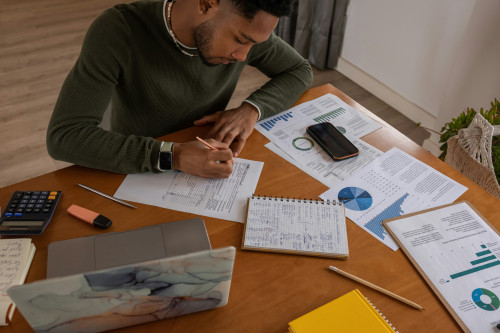
Before you can make changes, you need to know where your money is going. Many people are surprised when they see how much small, everyday expenses add up. Review your bank and credit card statements from the past few months and group your spending into categories: housing, transportation, groceries, subscriptions, entertainment, and so on.
Once you see the numbers in black and white, it becomes easier to spot areas where you can cut back—without feeling deprived.
A simple spreadsheet or a budgeting app can help you track your spending and monitor your progress over time. The key is to get a realistic view of your financial situation.
Trim Your Fixed Expenses
Fixed expenses are often the best place to start, because even small savings here repeat month after month.
- Review subscriptions: Streaming services, gym memberships, apps, and magazines can add up quickly. Cancel what you don’t use or look for cheaper alternatives.
- Shop around for insurance and loans: You might save money by bundling your insurance policies or refinancing high-interest loans.
- Cut energy costs: Switch to LED bulbs, unplug electronics when not in use, and adjust your thermostat a degree or two. These small steps can lower your utility bills.
Once you’ve freed up money in these areas, transfer it directly toward your debt so you’re not tempted to spend it elsewhere.
Læs også:


Rethink Daily Habits
It’s often the small, everyday purchases that quietly drain your budget. A morning coffee run, lunch out, or a few impulse buys at the store may seem harmless, but together they can total hundreds—or even thousands—of dollars a year.
Try changing one habit at a time: brew coffee at home, pack your lunch, or plan your weekly meals to avoid last-minute takeout. The goal isn’t to give up everything you enjoy, but to make intentional choices about where your money goes.
Set a Clear Debt Payoff Goal
It’s easier to stay motivated when you have a specific goal. Decide how much you want to pay toward your debt each month and create a plan to reach it.
One effective strategy is to apply the money you save from your spending changes directly to your debt. You might also focus on one balance at a time—such as the one with the highest interest rate—and pay extra on that while making minimum payments on the rest. Once that debt is gone, roll those payments into the next one.
Track Progress and Celebrate Milestones
Watching your debt shrink can be incredibly motivating. Use a simple chart or an app to track your progress month by month. Each time you hit a milestone, reward yourself with something small—a night in with a favorite movie, a special meal at home, or a day trip that fits your budget.
The idea is to keep the process positive and visible. The more you can see your progress, the easier it is to stay committed.
Small Steps, Big Impact
Paying down debt takes patience, but it’s one of the best investments you can make in your future. The small changes you make—canceling an unused subscription, cooking at home, lowering your energy bill—can add up to significant savings over time.
When you use those savings to pay off debt, you’re not just reducing interest costs; you’re gaining control and confidence in your financial life. And that sense of freedom is worth every small step along the way.
Læs også: