Letting Go Without Losing Your Footing: Finding Balance in Life’s Changes


Letting Go Without Losing Your Footing: Finding Balance in Life’s Changes
Change is an inevitable part of life. Some shifts arrive quietly, unfolding over time, while others strike suddenly and turn our routines upside down. Whether it’s losing someone you love, changing careers, going through a breakup, or simply realizing that life is moving in a new direction, change can make you feel unsteady. Yet within that uncertainty lies the chance to find a new kind of balance — a way to let go without losing yourself.
When Life Changes Course
Change challenges our sense of security. We crave stability, and when something familiar disappears, it can stir up fear, sadness, or resistance. That’s natural. Letting go doesn’t mean forgetting or denying what was — it means learning to live with it in a new way.
Often, the hardest part isn’t the change itself but the transition. It’s in that in-between space — between what was and what’s next — that uncertainty lives. In those moments, it helps to remember that change rarely happens all at once. It unfolds in small steps, and each step is part of finding your footing again.
The Courage to Let Go
Letting go isn’t about giving up; it’s about acceptance. It’s accepting that something is no longer the same, or that you can’t control every outcome. It takes courage to stand in the unknown and still trust that you’ll find your way.
A good place to start is by asking yourself: What am I holding on to — and why? Sometimes we cling to habits, relationships, or beliefs because they once made us feel safe. But when they no longer serve us, it may be time to release them. Letting go doesn’t mean losing everything; it means making space for something new to grow.
Finding Ground in What Endures
When everything feels in motion, it’s important to anchor yourself in what remains steady. That might be your values, your faith, your community, or simple daily routines that remind you who you are. For some, it’s time spent outdoors; for others, it’s exercise, music, or quiet conversations with close friends.
Keeping your footing means focusing on what you can influence and accepting what you can’t. Small rituals — a morning walk, a few minutes of journaling, or a cup of coffee enjoyed in silence — can bring structure to uncertain days. They may seem minor, but they can make a real difference.
When Grief Comes Along
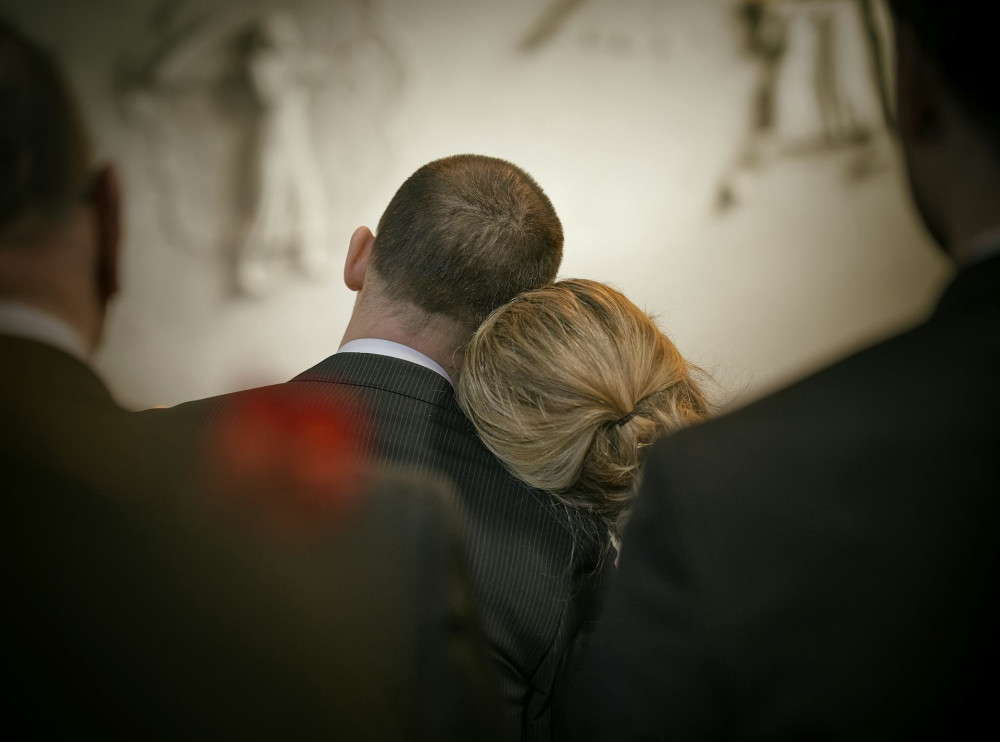
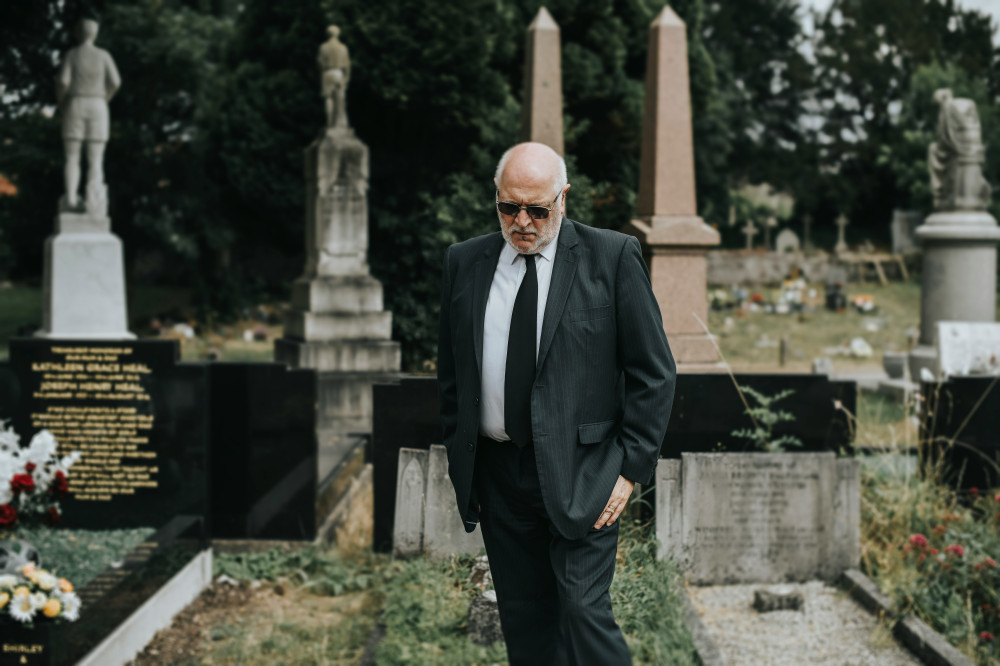
Change and grief often walk hand in hand. Even positive changes can carry a sense of loss — the loss of what was familiar, of a role you once played, or of a chapter in your life. It’s important to give that grief space. It’s not a sign of weakness; it’s a sign that something mattered.
In American culture, many people feel pressure to “stay strong” or “move on” quickly. But sharing your feelings — with friends, family, or a counselor — can be a powerful way to heal. Connection reminds us that we’re not alone in what hurts, and that shared understanding can help us move forward.
Læs også:



Finding Balance Again
Balance rarely returns all at once. It grows slowly, as you begin to live with change instead of fighting against it. You might notice it when you laugh again, sleep more peacefully, or find joy in small moments.
Finding balance isn’t about returning to how things used to be; it’s about creating a new foundation. It’s a place where you can carry what you’ve lost and still open yourself to what’s ahead.
A Life in Motion
Life will always be in motion. We lose, we change, we grow. Letting go without losing your footing is a lifelong practice — a balance between accepting what you can’t control and taking responsibility for what you can. When you dare to stand in the midst of change, you often discover that you’re not falling at all — you’re learning a new way to stand.
Læs også: